










HubSpot CRM · Diamond Partner

From tool chaos to a forecast your board trusts.

Move from zero to HubSpot in 5 weeks per hub — with a clean data foundation, clear automation and strong team adoption.

  • 100+ B2B software HubSpot projects
  • 5 weeks typical implementation
  • 39+ 5-star reviews on HubSpot
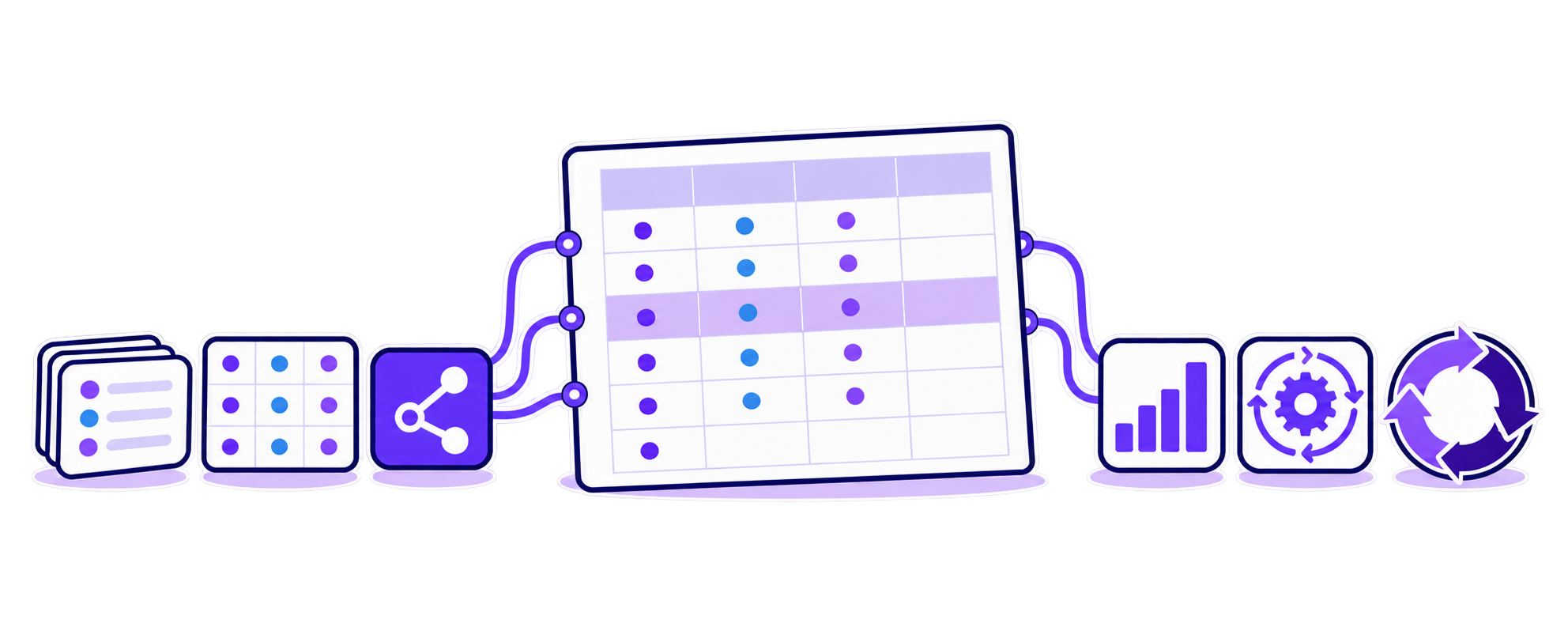
Three legacy-source lanes become one connected HubSpot operating system in five weeks.

Starting point

  1. Salesforce / Pipedrive
  2. Spreadsheets & data
  3. Point tools
  1. Marketing Hub
  2. Sales Hub
  3. Service Hub
  4. Reporting & forecast
HubSpot
Human decides

One data foundation · clear ownership · trusted forecast

The implementation runbook

Five weeks. Every step has a clear exit.

A continuous implementation path from source data to a live operating system. Each week leaves your team with a concrete, usable deliverable.

Five-week runbook from legacy sources to a live HubSpot operating system.

Data sources

  • Salesforce / Pipedrive
  • Spreadsheets & data
  • Point tools
  1. Gate Week 1 Revenue concept

    Lifecycle, pipelines, roles, field logic, reporting needs and integration scope are agreed before the build begins.

  2. Gate Week 2 Architecture and configuration

    HubSpot properties, objects, pipelines, permissions and core automation are configured against the agreed operating model.

  3. Gate Week 3 Migration and workflows

    Data imports, deduplication, enrichment, routing, handover workflows and native tool replacements are implemented.

  4. Gate Week 4 Reporting and refinement

    Dashboards, forecast views, hygiene workflows and management reports are tested with real operating scenarios.

  5. Gate Week 5 Adoption and handoff

    Power-user sessions, enablement, documentation and governance routines prepare the team for daily use.

Live HubSpot

One data foundation · clear ownership · trusted forecast Proof: Workist — Salesforce fully replaced

The operating layer after go-live

What runs automatically after go-live.

Clean data, lifecycle logic, routing, sales execution and service handover stay connected instead of becoming another tool zoo.

Workist Salesforce fully replaced Marketing, sales and service on one HubSpot platform. Read the Workist story
The automated lifecycle from data capture to a trusted forecast.
  1. Form / import
  2. Data cleanup
  3. Lifecycle & scoring
  4. Routing
  5. Sales pipeline
  6. Service handover
  7. Forecast
Human decides

Clean data · clear ownership · automated processes · trusted forecast

CRM is not a tool. It is the operating layer of your go-to-market.

When you scale without CRM discipline, you scale chaos. Four outcomes across marketing, sales and customer success.

1 source of truth

Pipeline that leadership can trust

Deals, stages, lifecycle and ownership are defined so forecast conversations stop being data-quality debates.

5 weeks to go live

Fast implementation without chaos

Each hub follows a clear sequence: concept, implementation, refinement, adoption and operating rhythm.

100+ projects

Built from proven DACH patterns

The setup reflects what has worked in B2B software teams that need clean pipeline, adoption and board-ready reporting.

RevOps rhythm

A system that stays clean

HubSpot is not handed over as a one-time build. We establish governance, hygiene and iteration so it keeps working.

Three projects. Three clean transitions.

Named outcomes from B2B software teams that replaced fragmented CRM operations.

Workist 200k annual savings

CRM consolidation reduced licence and operating overhead.

Skribble Forecast clarity after migration

Pipeline logic and reporting rebuilt for scale.

Beekeeper HubSpot operating rhythm

Cleaner GTM workflows and adoption across teams.

Explore all client stories →

Pipedrive, HubSpot or Salesforce — which system fits?

Three systems, three operating worlds, sorted by company size. The honest view from 100+ DACH implementations.

Comparison: Pipedrive, HubSpot and Salesforce
CriterionPipedriveHubSpotSalesforce
Fits companies with Under 20 employees 20 to 1,000 employees Over 1,000 employees
Operating model Easy for sales, weak across the broader customer lifecycle Integrated revenue operating layer across the GTM team Powerful, but admin-heavy and often consultant-dependent
Marketing connection Not integrated Natively connected Separate cloud required
Customer success Not integrated Service Hub included natively Separate Service Cloud
Bowtie reporting Limited once marketing, success and finance need one view Dashboards, lifecycle reporting and forecast natively in one platform Strong with specialist configuration — complex and expensive
Team adoption Good for simple sales usage, weaker for cross-functional work Built for daily use by marketing, sales, success and leadership Can be low without dedicated enablement and admin support
Admin effort Low while the team stays small ~0.2 FTE after go-live Dedicated full-time admin
Cost logic Low CRM cost, but hidden satellite tools add up Higher platform cost than simple CRMs, lower operating complexity at scale Licences, admin and consulting can compound quickly

The most expensive HubSpot mistakes — and how we avoid them.

From 100+ implementations, we know where HubSpot projects usually break and how to actively prevent those issues in every setup.

Buying HubSpot before designing the process

Teams often purchase licences first and discover later that lifecycle, ownership and reporting logic were never defined.

Cost: Unused licences, weak adoption and an expensive rebuild after launch.

Migrating bad data into a new system

If duplicates, stale records and unclear fields are imported without discipline, HubSpot inherits the old CRM problem.

Cost: Low trust in the data, unreliable reports and slow team adoption.

Treating implementation as an IT project

HubSpot only works when revenue leadership, managers and users agree how the system should support daily execution.

Cost: A technically correct build that sales, marketing and success do not use.

No operating rhythm after go-live

Without ownership, hygiene routines and continuous improvement, the CRM slowly drifts away from the business reality.

Cost: Forecast confidence erodes and RevOps work becomes reactive again.

What changes day to day.

  • Leadership gets one trusted forecast and pipeline view instead of three competing versions of reality.
  • Reps spend less time on admin, context hunting and manual follow-up, and more time moving qualified deals forward.
  • Marketing, sales and customer success operate from one connected lifecycle in HubSpot.

Who this is built for.

  • B2B software team with roughly 25 to 500 employees
  • Pipedrive, Salesforce or a tool zoo is slowing growth
  • Board, founder or revenue leadership needs reliable forecast and adoption

Typical impact: HubSpot live in weeks, cleaner forecast, higher adoption and less manual RevOps work.

What revenue leaders clarify before a HubSpot project.

A free 60-minute Launchpad. No pitch, just an honest fit / no-fit view and a clear next step.

Book Launchpad

No pitch. We look at your situation together.

Why HubSpot instead of Salesforce or Pipedrive?

For most growing B2B software companies in DACH, HubSpot gives the best integrated GTM experience: marketing, sales and customer success on one platform without stitching together five to ten extra tools. Salesforce can be excellent for large enterprises with admin capacity. Pipedrive is often strong early, but becomes limiting once the full buyer and customer lifecycle needs to be connected.

How long does a typical HubSpot project take?

A standard implementation usually takes 3-6 weeks from kickoff to handoff. Complex migrations, multiple hubs, ERP integrations or portfolio structures can take longer, but each phase still has a defined scope, deliverables and decision rhythm.

Is HubSpot too expensive for our team?

HubSpot becomes expensive when teams buy everything before defining what they actually need. A lean setup can be much more efficient than a cheap CRM surrounded by paid side tools and manual reporting. The right question is total operating cost: licences, admin time, tool sprawl, reporting effort and missed pipeline visibility.

Do you also support after implementation?

Yes. For many teams, the real value starts after go-live. We can support RevOps cadence, reporting, hygiene, automation improvements and user adoption so HubSpot evolves with the company instead of decaying after launch.

Can we migrate without losing history?

Migration is planned around the data that matters: contacts, companies, deals, activities, owners, lifecycle and reporting history. Not everything should be copied blindly. We define what must be preserved, what should be cleaned and what should be left behind.

Guides for the decisions behind scalable revenue.

Comparisons, playbooks and calculators for teams that do not want to treat pipeline, HubSpot and sales execution as separate systems.

View all guides on this topic
SalesPlaybook banner for the HubSpot Partner Directory guide, featuring co-founder Manuel Hartmann and a HubSpot Platinum Partner badge
HubSpot CRM Guide 10 min

Your Guide to Choosing the Right HubSpot Agency from the Partner Directory in 2025

HubSpot’s ecosystem now spans 135 000+ customers and well over 6 000 certified solutions partners worldwide. The platform can run your entire go-to-market engine – yet many companies still pay steep license fees while only scratching the surface of what HubSpot can do. A digital agency can help businesses unlock the full potential of HubSpot by leveraging their expertise and experience with diverse organizational needs.

SalesPlaybook banner for the Effizientes Sales CRM checklist, featuring consultant Erik Steffen and a HubSpot Diamond Partner badge
HubSpot CRM Guide

Efficient Sales CRM

90% of B2B entrepreneurs with 7- and 8-figure annual revenues still don't have an efficient sales CRM – that's why we created the 100% Masterclass with zero barriers:

Get your hands-on CRM guide with this & much more:
- 30+ hands-on HubSpot hacks you can implement right away
- 10+ tips for building a robust and scalable single source of truth
- Clear process definitions using Winning by Design's Bowtie framework

All from >50 hands-on HubSpot CRM implementations over just 18+ months.

No more tool zoo. No spreadsheet forecast. No gut-feel revenue view.

From zero to HubSpot in 5 weeks per hub, together with your team.

Book Launchpad